Why Does My Page Rank On Day 1 Then Disappear After A Week?
You publish a blog post, and within a day or two, it starts ranking on Google. Sometimes it even shows on the first page. After a few days, you check it again, expecting it to grow, but it either disappears or drops so far that you can’t find it.
This situation confuses almost everyone at the beginning, and even experienced website owners face it. It feels like something went wrong or Google removed your page for some reason. But in most cases, nothing is wrong.
This happens because Google is in a “testing phase”. It temporarily ranks new content high to collect user data, but your page will drop if it lacks topical authority, doesn’t match the current search intent, or is being pulled down by newer, low-quality posts on your site. Once you understand this normal behaviour, it will become much easier to handle.
It Is Not a Penalty; It Is a Testing Phase
Let’s clear the biggest doubt first.
Your page is not penalised.
Google did not remove it because you did something wrong. Instead, Google is trying to understand your page. When you publish new content, Google does not fully trust it yet because it has no history, no user data, and no signals to judge its quality.
So what does Google do?
It places your page higher in search results for a short time and shows it to real users. During this time, it monitors how people interact with your page.
It checks things like:
- Do people click on your page when they see it?
- Do they stay and read it properly?
- Or do they leave quickly and go back?
This is simply a test. Your initial ranking is not your real position. It is more like a temporary placement so Google can collect data.
Why Your Page Drops After a Few Days
Once Google collects enough data, it starts re-evaluating your page. At this stage, many factors come into play, and this phase is where most pages lose their initial ranking.
Let’s go through each reason in detail so there is no confusion.
1. Your Content Did Not Perform Strongly in the Test
During the testing phase, Google watches how users behave on your page. If users do not find your content helpful enough, they leave quickly or do not engage much.
This sends a signal that your page is not the best result for that search.
Sometimes the issue is not that your content is bad. It may simply be a mismatch between what you wrote and how Google interprets the query, which is why some exact-match blogs still don’t rank.
- The introduction is not clear
- The answer is buried too deep
- The content does not match what users expected
Even small things can affect user behaviour, and Google takes these signals seriously.
2. Your Website Lacks Authority

In the beginning, Google may rank your page based mainly on content relevance. But after the test phase, it starts looking at your website as a whole.
It asks questions like:
- Does this website regularly publish content on this topic?
- Is this website known for this subject?
- Do other sites trust or mention this website?
If your site is new or has very little content, Google does not yet see it as a strong source because it hasn’t built enough overall trust yet. This is why your page cannot hold a high position for long, especially when competing with established websites that have already built domain-level trust.
3. You Have Not Built Enough Depth on the Topic
This is one of the most important but often ignored reasons.
If you write only one article on a topic, Google treats it as a single attempt. It does not see you as someone who deeply understands or consistently covers that subject.
But when your website contains multiple related articles, something changes. Google starts to recognise that your site covers the topic in detail, as trust signals start working across those pages together.
For example, instead of writing just one post, you can create content around the following:
- Related questions people ask
- Beginner-level explanations
- Advanced guides
- Common problems and solutions
This builds what is known as topical authority, and it plays a major role in stabilising rankings.
📋 Practical Deep‑Dive: Build Topical Authority in 30 Days
Stop relying on a single article. Use this simple framework to strengthen your site’s depth and make your rankings stick.
✅ This signals topic clusters and real depth — Google will start treating you as an expert voice.
4. The Initial Freshness Boost Fades Away
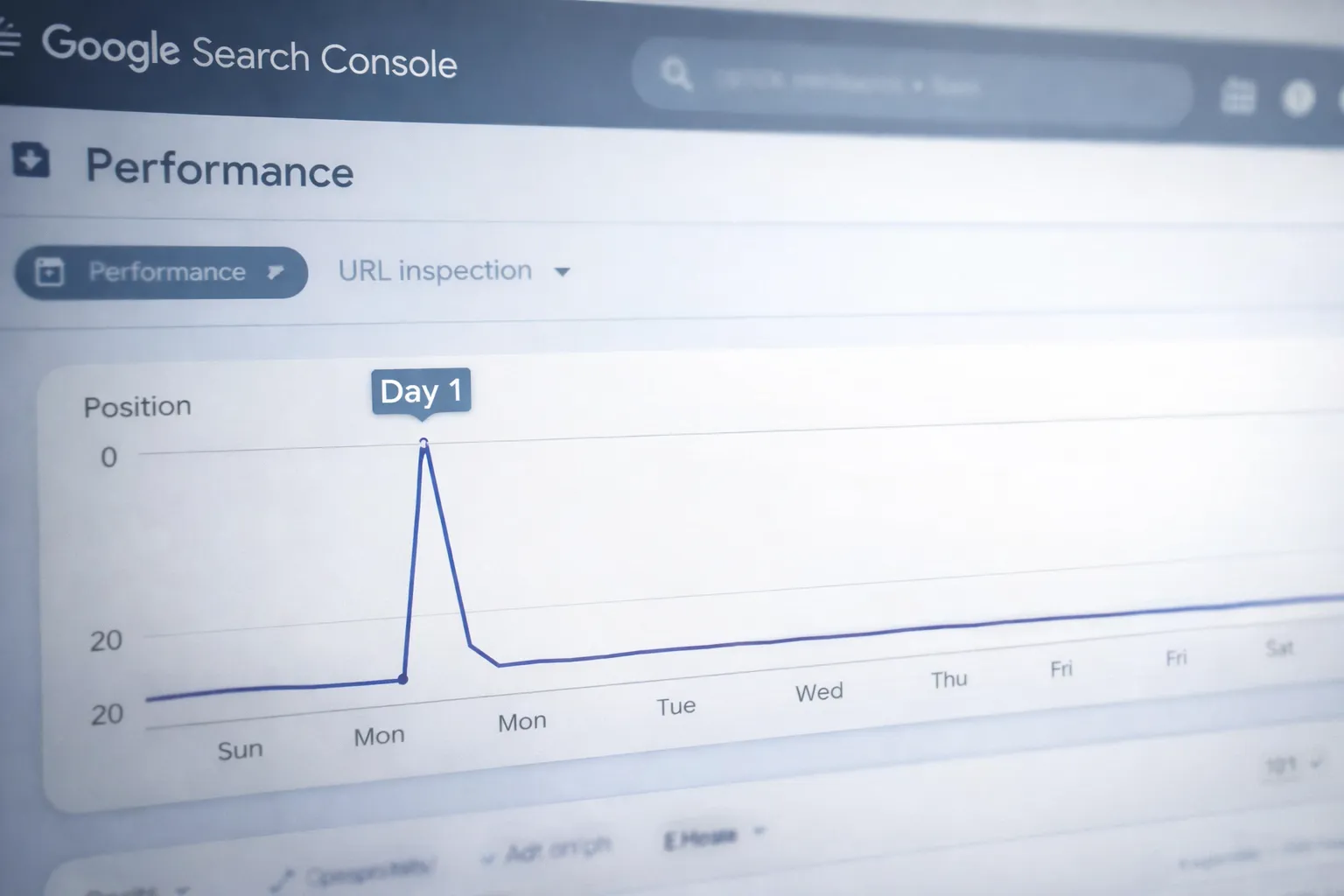
Google sometimes gives new content a temporary boost because fresh content can be more relevant, especially for certain types of searches.
However, this boost does not last forever.
After a few days or weeks, your content is no longer considered new. At that point, Google removes the freshness advantage and compares your page directly with other established pages.
If your page does not have enough strength yet, it drops.
5. The Search Intent Shifted
You may have written the perfect post for what people were looking for, but if what users want from that search changes, your content may stop performing well.
For example, people searching might now prefer:
- A quick video
- A short answer
- A visual explanation
If your content provides something different, users may leave quickly. Google notices this behaviour and adjusts your rankings accordingly.
This is because Google is constantly learning what users actually want. If people start clicking on videos instead of long articles, Google will shift the results to match that behaviour.
Your content did not get worse, but the expectation of the user changed. If your content no longer matches this new intent, it may be pushed down to make space for what users are now looking for.
6. New “Thin” Content Drags Your Site Down
You may have published a strong post, but if your newer content is weak, it can affect your rankings.
For example, your site might include:
- Short or incomplete articles
- Poorly written content
- Inconsistent quality
Google looks at your website as a whole. If new posts are low-quality, it reduces overall trust. As a result, even a high-performing page may drop because the site’s average quality has declined.
7. Competition Keeps Improving
Search results are not static. Other websites are constantly updating and improving their content.
When your page appears on the first page, competitors may notice it and improve their articles by:
- Adding more information
- Updating outdated sections
- Improving readability
If their content becomes more helpful than yours, Google may replace your page with theirs.
8. Algorithmic Turbulence (Updates)
Sometimes it’s not you—it’s Google.
Core & Spam Updates: If a Core Update or a Spam Update rolls out exactly a week after you publish, the “rules” for ranking might have shifted. Your page might have been caught in the crossfire of a broader algorithm change.
9. Toxic or Unnatural Signals
If the page was hit by toxic or unnatural backlinks (even if you didn’t build them), Google’s automated spam filters might have flagged the sudden spike in visibility as suspicious, leading to a quick “de-ranking” while it investigates.
How to Fix This Problem Properly
Now that you understand the reasons, the next step is fixing it in the right way. Many people panic at this stage and make wrong decisions, which only makes things worse.
1. Improve Your Existing Content Carefully
Instead of rewriting everything, review your content with a clear goal.
Make sure:
- The main answer appears early
- Each section solves a specific problem
- The content is easy to read and well-structured.
Add missing details where necessary, but do not make random changes without purpose.
2. Align Your Content With What Users Want
Search your target keyword and carefully study the top results.
Look at:
- The format of content
- The type of answers provided
- The structure used
Then adjust your page so it matches what users expect to see.
3. Create More Content Around the Same Topic
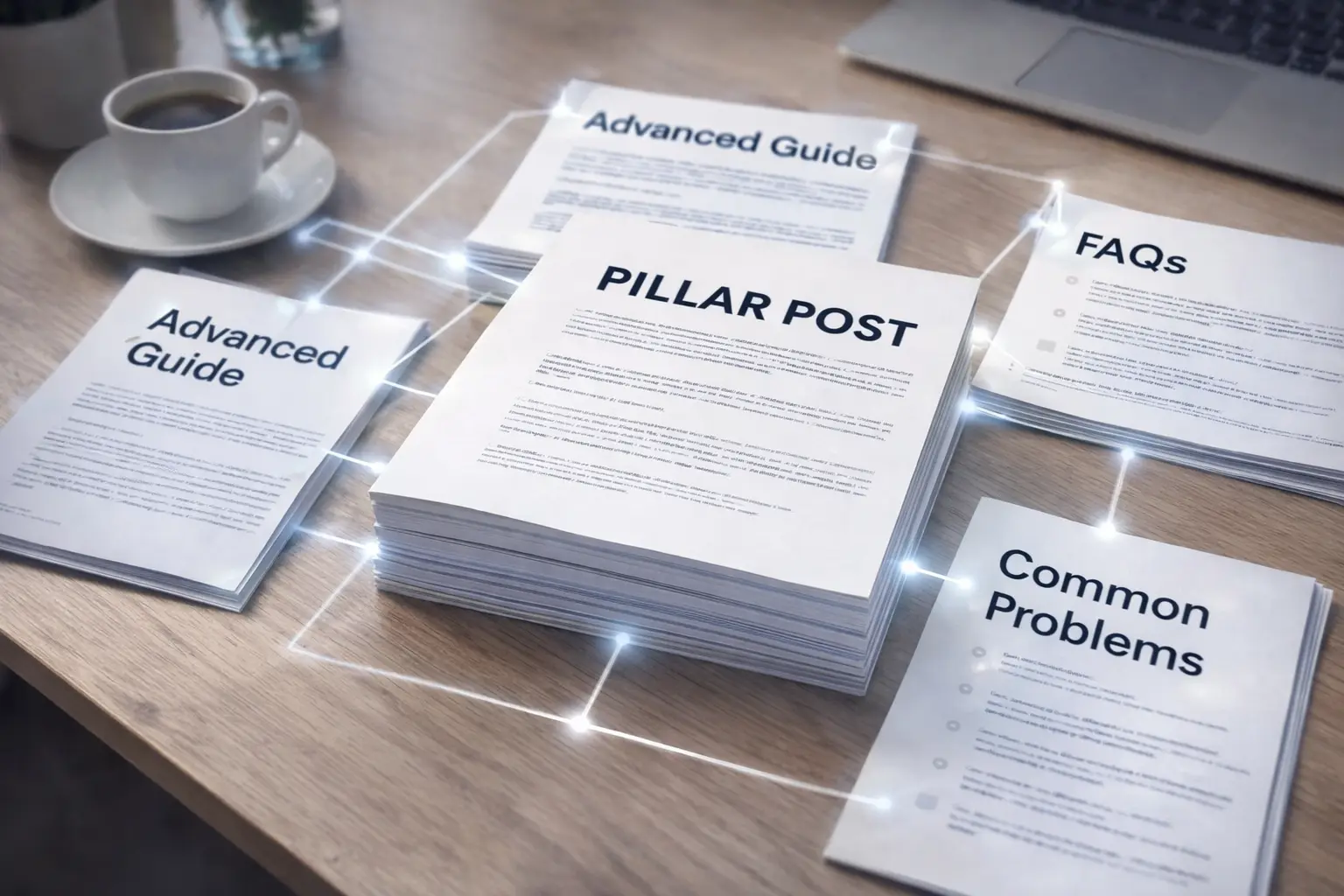
Do not depend on a single article.
Build a group of related posts that support each other. This helps Google understand that your site covers the topic in depth.
Over time, this process strengthens all pages within that topic.
4. Use Internal Linking to Strengthen Pages
Link your related articles together in a natural way.
This helps:
- Users navigate your site
- Google understand relationships between pages
It also passes value from stronger pages to newer ones.
5. Improve User Experience
Users’ behaviour plays a major role in rankings.
Make sure your page:
- Loads quickly
- Is easy to read on mobile
- Uses clear headings and structure
Small improvements here can make a big difference.
6. Maintain Consistent Quality Across Your Website

Avoid publishing low-quality or incomplete posts.
Each article should provide real value. When your site maintains consistent quality, Google starts trusting it more, and your rankings become more stable.
7. Be Patient and Give It Time
This is often the hardest part, but it is necessary.
New websites need time to build trust. Rankings may go up and down in the beginning, and that is completely normal.
If you continue improving your content and building depth, your pages will eventually settle into stronger and more stable positions.
8. Check Your Search Console Data
Please take a moment to review your Google dashboard to determine if people are actually clicking your link when they see it. This can quickly tell you whether your content is being ignored or if something else is going wrong.
Note – Don’t touch the URL: changing the slug now will reset the data collection and worsen it.
Final Understanding
Your page did not fail. It simply went through a testing phase and then got re-evaluated.
The initial ranking showed that your content has potential. The drop shows that it still needs more support in terms of authority, depth, and user satisfaction.
If you focus on improving these areas instead of starting over, you will recover your rankings and build a stronger foundation for future content.
Once this foundation is in place, your new pages will not just rank quickly. They will stay there.

Decode More