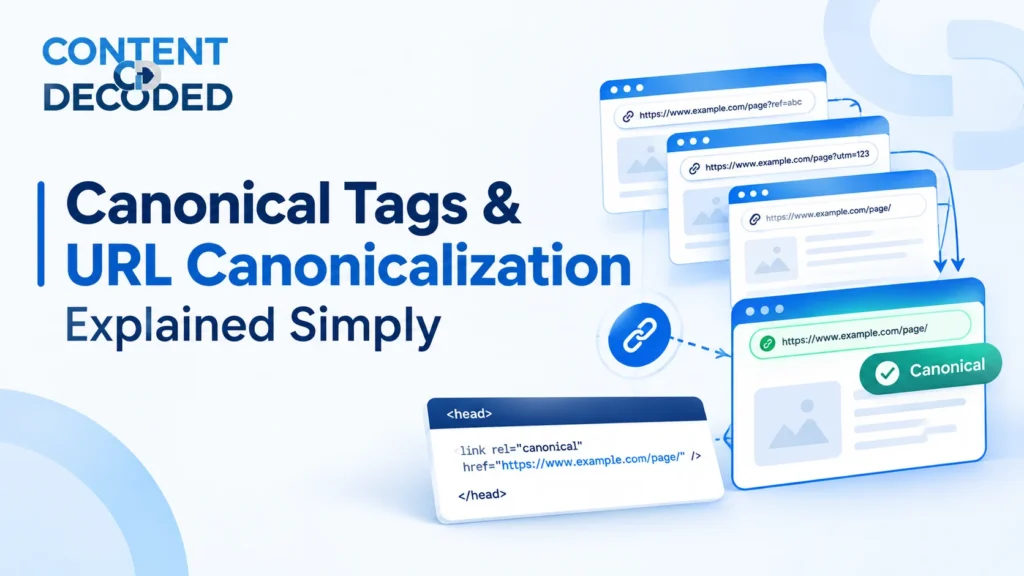
Canonical Tags and URL Canonicalization Explained Simply
Imagine you share the same photo on Instagram, WhatsApp, and Facebook. The photo is the same, but it appears in differen...
Decode Full Analysis
Deep dives into how search systems evaluate content, trust, and intent
Imagine you share the same photo on Instagram, WhatsApp, and Facebook. The photo is the same, but it appears in differen...
Decode Full Analysis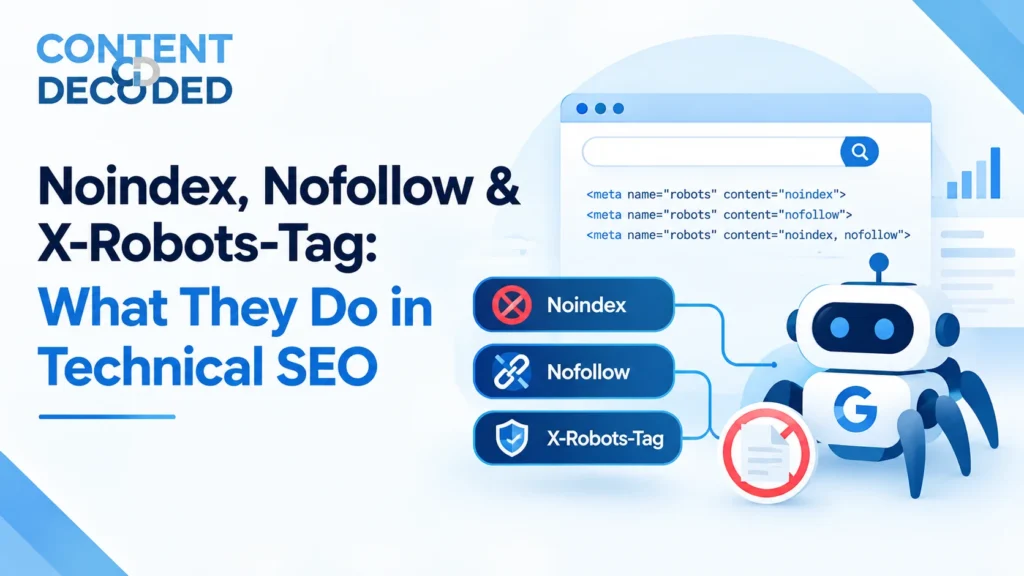
Imagine you launch a new website and, during a quick Google search, you notice that your thank-you page, internal search...
Decode Full Analysis
You search for a page on Google, but it doesn’t appear in the results. The page is live, loads normally, and every...
Decode Full Analysis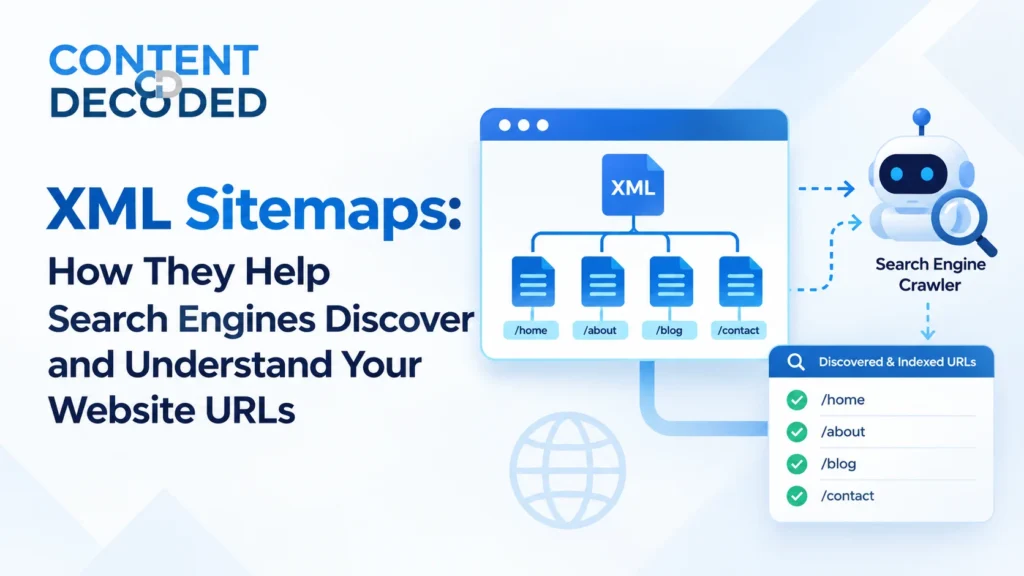
A small website can have just a few important pages, while a large website can have thousands of them. The challenge is ...
Decode Full Analysis
Have you ever searched for something on Google, found a website, and then wondered why some pages appear in search while...
Decode Full Analysis
Imagine you add a new product to your website. The page is live, but when you search for it on Google days later, you st...
Decode Full Analysis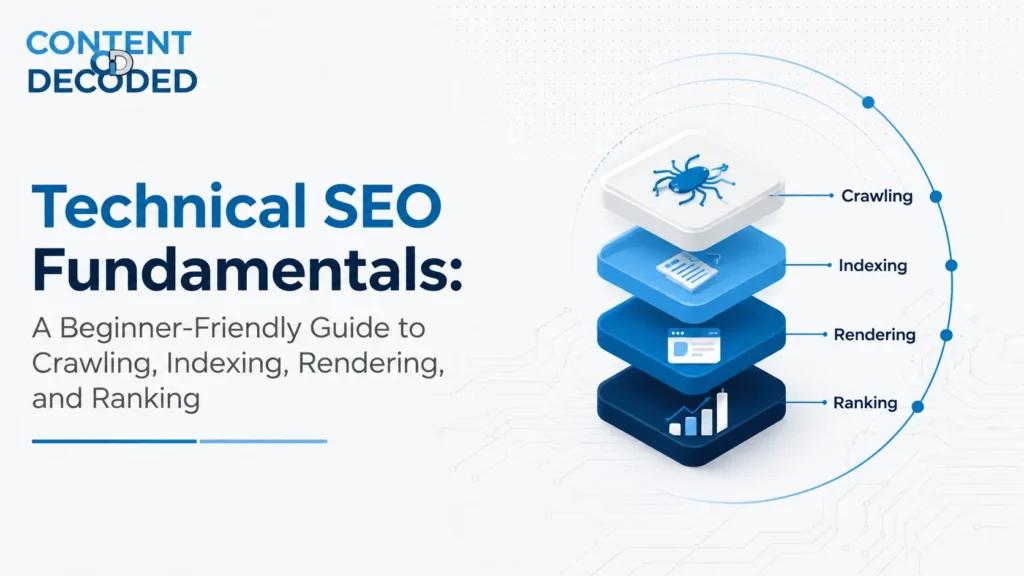
Technical SEO can sound complicated at first because it involves things like crawling, indexing, redirects, canonicals, ...
Decode Full Analysis
Simple websites often perform better because they make it easier for visitors to find what they need, understand what yo...
Decode Full Analysis
Seasonal businesses only get high demand during certain times of the year. Examples include summer camps, ski resorts, h...
Decode Full Analysis
Many businesses wonder why most SEO agencies ask for a 6-month contract instead of offering month-to-month services. The...
Decode Full Analysis
Keyword research is the process of finding the exact words and questions your potential customers search for on Google. ...
Decode Full Analysis
You can identify a fake SEO agency by looking for unrealistic promises, lack of transparency, poor reporting, and a focu...
Decode Full Analysis